Why is Story’s [IP] price up 36% today despite weak network revenue?

ambcrypto2026-01-14 tarihinde yayınlandı2026-01-14 tarihinde güncellendi

Özet

Story (IP) token surged 36% on January 13th, extending its weekly gains to nearly 100%, largely driven by a broader cryptocurrency market rally following softer U.S. inflation data that boosted Bitcoin. The altcoin rebounded from a low of $2 to nearly $4, though it slightly retreated to $3.89 at the time of writing. Technical indicators showed strong buying pressure with the RSI reaching overbought levels, suggesting potential for a reversal. The price surge was supported by strong spot market demand and improved market conditions. Additionally, anticipation around the scheduled Yusanari network upgrade on January 14th—which aims to integrate Ethereum Fusaka upgrade features and enhance on-chain intellectual property rights for creators—fueled bullish sentiment. Despite the significant price increase, on-chain data revealed weak fundamental traction. Monthly network revenue declined sharply from $94k in September 2025 to just $323 in December, with only $152 generated so far in January 2026, indicating low network activity and a disconnect between market performance and underlying usage.

Story [IP] locked in a massive 36% in daily gain on the 13th of January, following a broader market rally after softer inflation data that lifted Bitcoin [BTC].

This upswing brought IP’s overall weekly recovery gains to nearly 100%. Since its second leg of recovery began on the 11th of January, the altcoin has doubled in value, rising from $2 to $4.

At press time, however, IP had slightly retreated to $3.89.

The latest recovery leg began at the 50-day Moving Average (MA, white) dynamic support. The immediate upside target would be the golden ratio (61.8% – 50% Fib levels), which aligned with the 200-day Moving Average (MA).

In other words, crossing the $5-$6 mark would determine the next stage of the recovery; otherwise, a consolidation or cooling-off period could ensue.

The Relative Strength Index (RSI) also broke above 87 on the price charts. This suggested strong buying pressure. But the overbought RSI levels also warned of potential reversal, as seen in August and September (orange circles).

What triggered Story IP’s rally?

The explosive recovery was also marked by strong demand from the spot markets, according to CryptoQuant data.

It’s worth pointing out that the Bitcoin surge after softer CPI data improved market sentiment from ‘fear’ to a ‘neutral’ level. If the macro landscape positively boosts the sector in the following days, IP could trigger another recovery phase above $6.

Most importantly, the scheduled protocol network upgrade has renewed the bullish sentiment on the protocol, which aims to enable creators to enjoy their intellectual property (IP) rights on-chain.

Network activity muted despite upgrade support

The upgrade is scheduled for the 14th of January, 23:30 UTC, and on-chain transactions will be briefly paused. Several exchanges, including OKX, HTX, and Upbit, among others, will block deposits and withdrawals of IP during the upgrade window to prevent loss of funds.

The upgrade, also known as Yusanari, seeks to activate the Ethereum Fusaka upgrade features on the protocol.

Despite the massive recovery, the protocol’s traction has been short of muted. According to DeFiLlama data, the protocol’s monthly revenue fell from $94k in September 2025 to $323 in December.

So far in 2026, it has generated $152, which is significantly less than most protocols, suggesting low network activity.


Final Thoughts

  • Story IP token blasted 36%, extending weekly recovery to 100% thanks to macro and protocol-related catalysts.
  • However, the network activity didn’t match the explosive price rally, suggesting a mismatch between market and fundamentals.

İlgili Sorular

QWhat was the main reason for Story IP's 36% price surge on January 13th?

AThe price surge was primarily driven by a broader market rally following softer inflation data that lifted Bitcoin, which improved overall market sentiment.

QWhat technical indicator suggested strong buying pressure but also warned of a potential reversal for IP?

AThe Relative Strength Index (RSI) broke above 87, indicating strong buying pressure, but its overbought levels also warned of a potential price reversal.

QWhat specific event renewed bullish sentiment for the Story protocol beyond the macro market factors?

AThe scheduled protocol network upgrade, known as Yusanari, which aims to enable creators to enjoy their intellectual property rights on-chain, renewed bullish sentiment.

QDespite the price rally, what does the data from DeFiLlama indicate about the protocol's network activity and revenue?

ADeFiLlama data shows the protocol's monthly revenue fell drastically from $94k in September 2025 to $323 in December, and it has only generated $152 so far in 2026, indicating very low network activity.

QWhat is the key upside price target for IP's recovery, and what could happen if it fails to cross that level?

AThe key upside target is the $5-$6 mark, which aligns with the golden ratio and the 200-day Moving Average. If it fails to cross this level, a consolidation or cooling-off period could ensue.

İlgili Okumalar

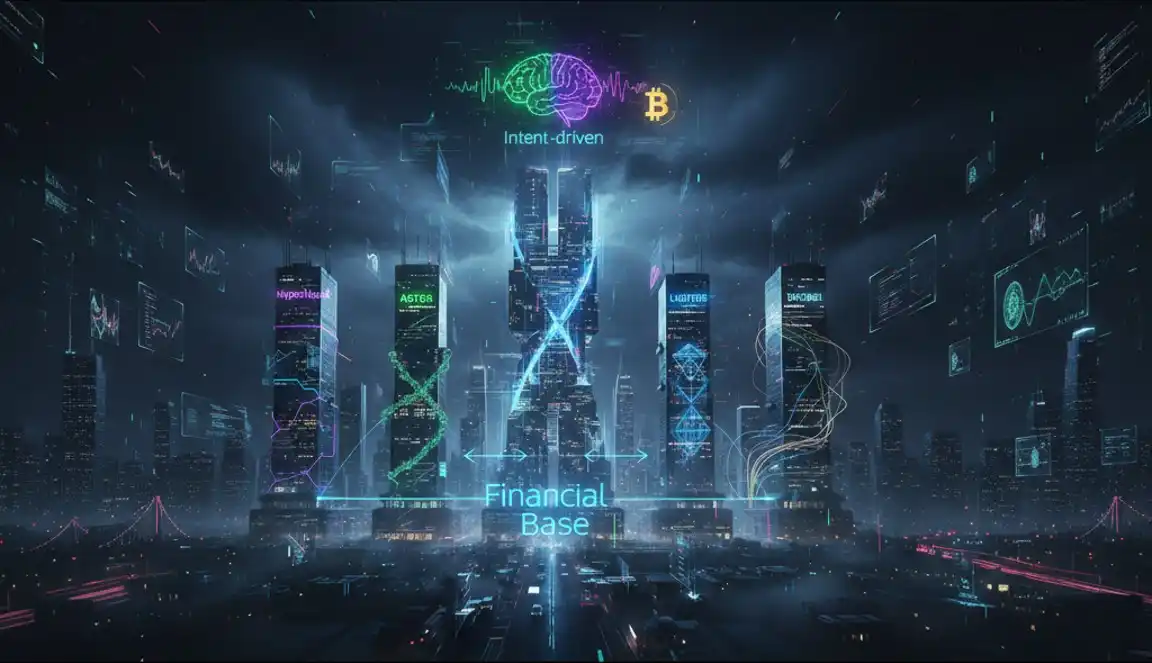
From "On-Chain Applications" to "Financial Infrastructure": The Generational Evolution and Transformation of Perp DEX

Title: From "On-Chain Applications" to "Financial Infrastructure": The Generational Evolution of Perp DEX The 2025 period was a "great filtering era" for the derivatives sector. Surviving Perp DEX platforms have moved beyond being mere "low-cost versions" of CEXs by solving the core cost in finance: trust. With the adoption of full-chain abstraction, users in 2026 can perform seamless cross-chain transactions while retaining asset sovereignty, as funds are secured in smart contracts rather than held by intermediaries. On-chain derivatives now consistently account for over 25% of total trading volume, marking a fundamental shift in user behavior. Over 90% of Perp DEXs failed due to product homogeneity, reliance on subsidized "rented liquidity," and soaring customer acquisition costs. Merely forking existing code or offering token incentives proved unsustainable. Four successful models have emerged: 1. **Hyperliquid**: Achieved near-CEX performance by building its own L1 blockchain optimized for low-latency order books, attracting quantitative capital. 2. **Aster**: Leveraged the Binance ecosystem to offer enhanced capital efficiency, allowing users to earn yield on collateral (e.g., staking rewards) while trading. 3. **Lighter**: Built an app-specific ZK-Rollup to provide a verifiable, mathematically-proven trading infrastructure with anti-MEV properties, appealing to institutions. 4. **Decibel**: Unified high performance and full-chain composability on Aptos, achieving sub-20ms latency and enabling cross-chain margin accounts for seamless trading from wallets like MetaMask. Future evolution will focus on: * **Intent-centric trading**: Users express a desired outcome, and solvers find the optimal execution path. * **AI Agents**: The rise of AI-driven trading strategies will require DEXs to provide high computational power and low latency. * **Advanced Pricing Models**: Dynamic risk engines will use real-time volatility data to automatically adjust parameters, increasing system robustness beyond traditional CEXs. The key to survival is providing unparalleled execution efficiency that capital and trading strategies cannot refuse.

marsbit5 dk önce

From "On-Chain Applications" to "Financial Infrastructure": The Generational Evolution and Transformation of Perp DEX

marsbit5 dk önce

CLARITY Deliberation Suddenly Postponed: Why Is the Industry So Divided?

The U.S. Senate Banking Committee has unexpectedly postponed the markup hearing for the cryptocurrency market structure bill, CLARITY, originally scheduled for January 15. The delay follows significant industry division, notably after Coinbase publicly opposed the current version of the bill, calling it "worse than the status quo." Coinbase criticized provisions related to DeFi, stablecoin rewards, and potential government overreach into personal financial data. In contrast, other major industry players, including a16z, Kraken, and Circle, expressed support for advancing the bill, acknowledging its imperfections but emphasizing the urgent need for regulatory clarity to maintain U.S. leadership in crypto innovation. Key points of contention in the current draft include: - A ban on stablecoin yield generation, which critics argue harms consumers and innovation while protecting traditional banking profits. - Heavy disclosure requirements for token issuers, comparable to those for public companies, which may stifle startups. - Potential overreach into DeFi, including imposing KYC obligations on software developers. - Restrictions that could hinder institutional adoption of DeFi and tokenized securities. The divide reflects strategic differences: Coinbase advocates rejecting the bill to avoid locking in harmful regulations, while supporters argue that passing an imperfect bill provides a foundation for future improvements and reduces regulatory uncertainty. The bill’s path forward remains uncertain as debates over these issues continue.

Odaily星球日报14 dk önce

CLARITY Deliberation Suddenly Postponed: Why Is the Industry So Divided?

Odaily星球日报14 dk önce

İşlemler

Spot
Futures

Popüler Makaleler

Tartışmalar

HTX Topluluğuna hoş geldiniz. Burada, en son platform gelişmeleri hakkında bilgi sahibi olabilir ve profesyonel piyasa görüşlerine erişebilirsiniz. Kullanıcıların S (S) fiyatı hakkındaki görüşleri aşağıda sunulmaktadır.

活动图片